
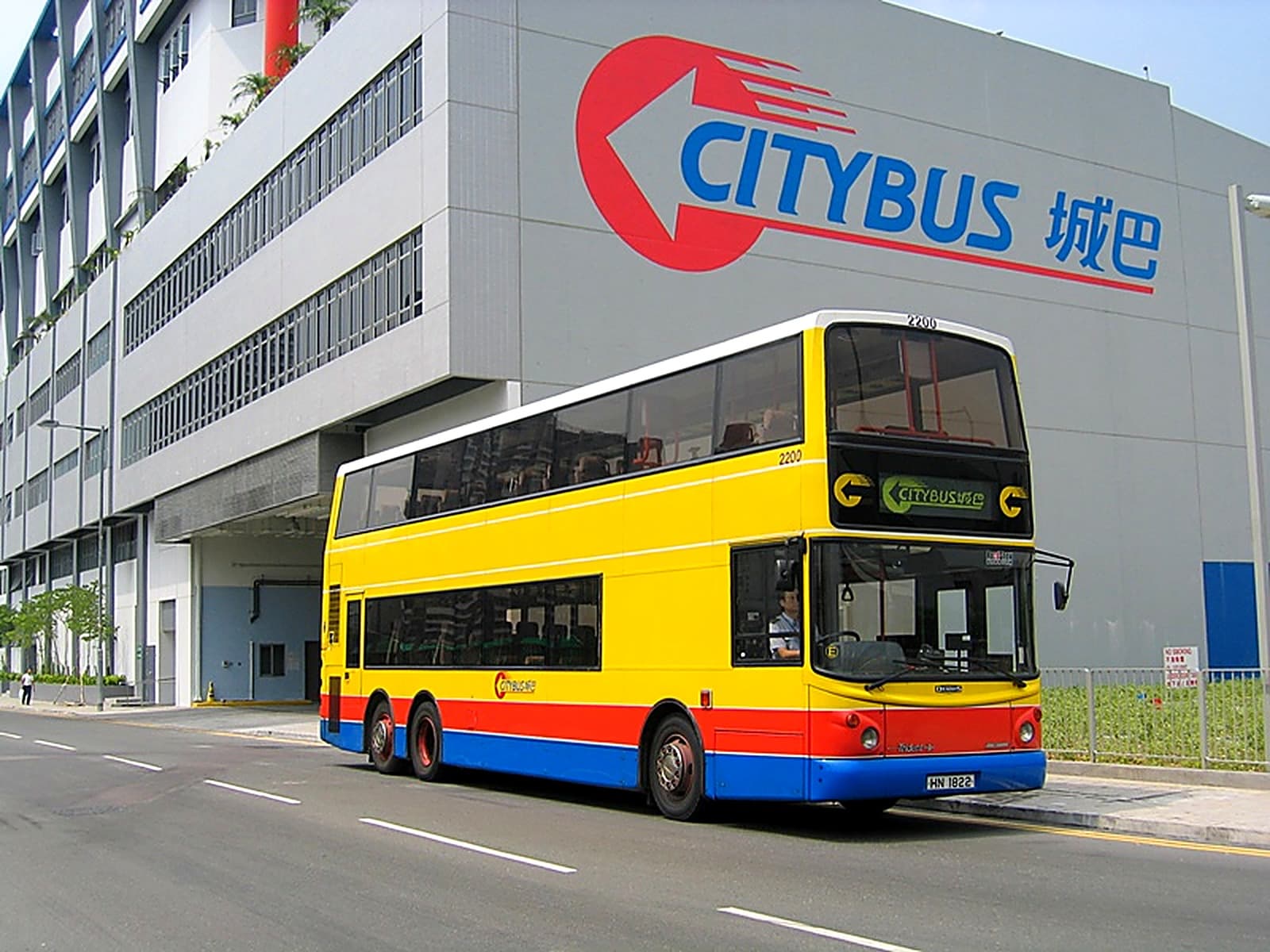
Out of Home / Bus
City Bus Advertising
城巴車身廣告
As the dominant public transport operator on Hong Kong Island, cross-harbour routes, and the Airport Express (Cityflyer), City Bus is a mobile flagship for brands entering Hong Kong Island's core business districts, high-spending residential areas, and reaching both local and overseas travellers.
- Starting Price
- ~$80,000 / week
- Pedestrian Side
- From $1,400–1,600 / week
- Rear Side
- From $700 / week
- Peak Season Surcharge
- Sep–Dec +15%
Four Advertising Formats
Whole Bus
Whole Bus
Pros: The strongest brand consistency and a highly commanding presence — ideal for major festive campaigns, product launches, or building a premium brand image. The “Premium Super Bus” format even lets you choose a specific route, precisely targeting a particular district. (Popular formats: Premium Super Bus, Super Bus, Cityflyer)
Cons: High budget threshold.
Driver Side
Driver Side
Pros: Flexible, extra-wide panel sizes (such as the Mega/Grand Panorama formats) cleverly use City Bus's structure to create striking panoramic visuals, with excellent exposure to drivers and passers-by. (Popular formats: Mega Panorama, Grand Panorama, The Emperor, The Empress, Top Wide Max)
Cons: The lower half of the ad can be obscured by traffic during busy periods, so key messaging needs precise placement in the design.
Pedestrian Side
Pedestrian Side
Pros: Very affordable pricing (from just HKD 1,400–1,600 per week), suited to SMEs on a limited budget, or marketing campaigns that want “multi-bus” placement to boost reach and frequency; positioned close to pedestrians, so it can carry more text or product information. (Popular formats: Superside, L Shape)
Cons: Smaller panel size and visual impact compared with the Whole Bus or Driver Side Panorama formats.
Rear Side
Rear Side
Pros: In Hong Kong's frequently congested traffic — especially on Hong Kong Island (e.g. Causeway Bay, Central) — rear-side advertising gets the longest dwell viewing time; the lowest cost in the city (Super Rear from just HKD 700 per week) makes it the best-value option for sustained exposure. (Popular formats: Mega Rear, Maxi Rear, Super Rear Plus, Super Rear)
Cons: Limited space — not suited to complex imagery, best for a logo, a short tagline, or a QR code.
Contact
- Unlike KMB, City Bus's strength lies in covering Hong Kong Island's core business districts (Central, Admiralty, Causeway Bay) and high-spending, high-density residential areas, plus exclusive access to the Cityflyer (Airport Express) network to the airport — making it ideal for targeting business travellers, high-income audiences, or tourists.
- Please note that September to December is the traditional peak season, carrying a 15% peak season surcharge (Peak Season Loading).
FAQ
FAQ
What's the starting price for City Bus advertising?+
From around HKD $80,000 per week overall; for a single format alone, Pedestrian Side starts from $1,400–1,600/week and Rear Side from as low as $700/week.
What's the difference between City Bus and KMB?+
City Bus's strength is covering Hong Kong Island's core business districts (Central, Admiralty, Causeway Bay) and high-spending, high-density residential areas, plus exclusive access to the Cityflyer (Airport Express) network — suited to targeting business travellers, high-income audiences, or tourists.
Which format offers the best value?+
Rear Side (Super Rear) has the lowest cost in the city at $700/week, and with Hong Kong Island's frequent traffic congestion it gets the highest dwell viewing time — making it the best-value option for sustained exposure.
Are there any seasonal surcharges to watch for?+
September to December is the traditional peak season, carrying a 15% peak season surcharge (Peak Season Loading).